Geri Reilly Real Estate Logo

Geri Reilly

Pros and Cons of Homeowner's Associations

Pros and Cons of Homeowner's Associations

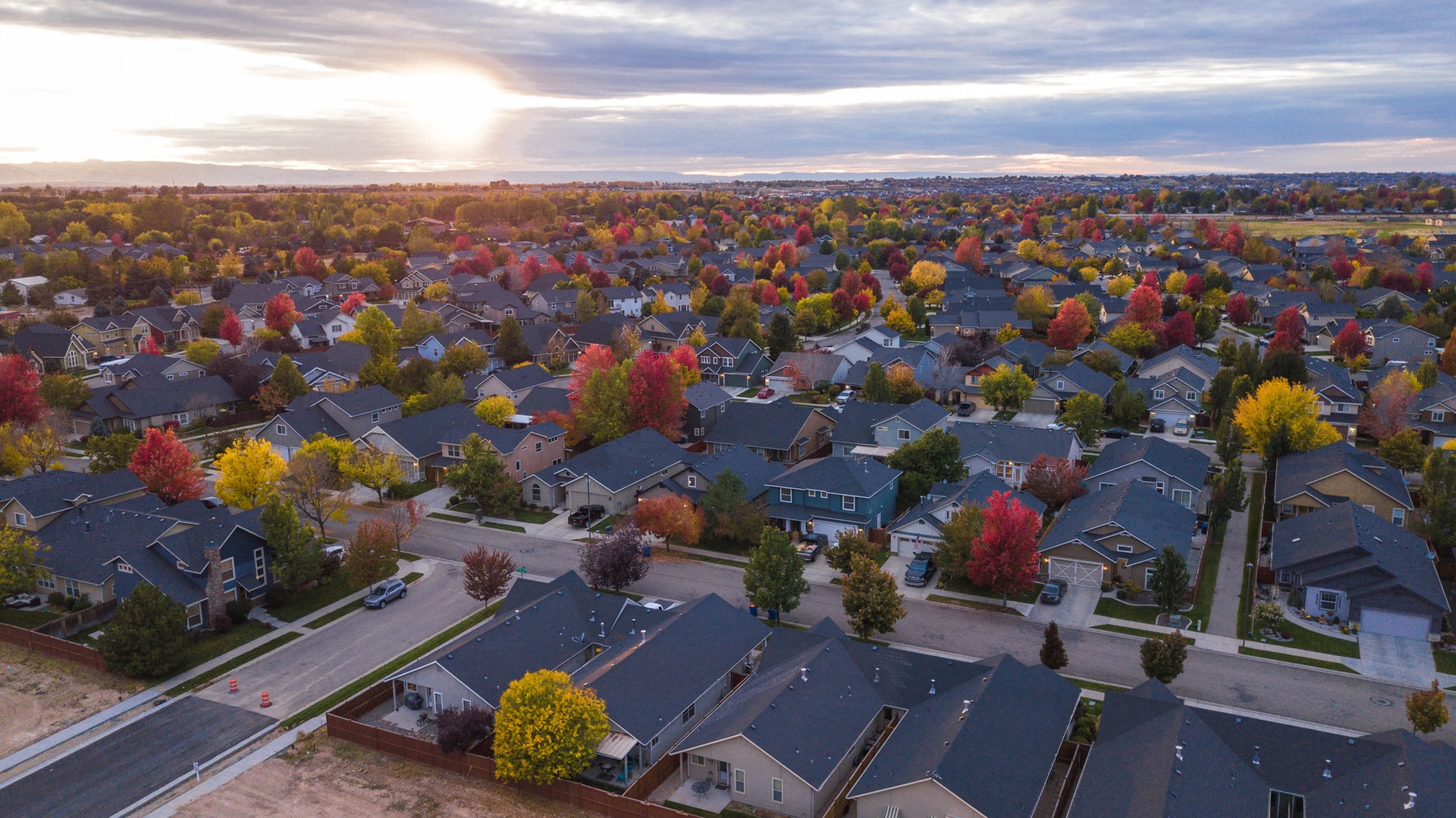
Homeowner Associations are essentially a governing structure for a planned community. Often representing a development of single-family homes, condominiums, or townhouses. Similar to a landlord or property manager, an HOA operates as an entity that maintains the community by taking care of certain features in exchange for a monthly or annual fee. In 2018, ¼ of the U.S. population lived under some type of community association, spread among over 347,000 associations nationwide. Homeowners Associations govern 33% of homes in the Northeast. Although every association is fundamentally different, living in an HOA community comes with many benefits as well as many conditions and stipulations that residents can find relatively burdensome. HOAs can be efficient and professional or can mismanage the community and misspend money. The simple fact is that there are advantages and disadvantages that come with every homeowner association.
Pros and Cons of Homeowner's Associations

HOA costs vary, one cost frequently included in the fees they collect are utilities. The association often take responsibility for basic water and gas as well as city services such as sewer, trash, and recycling, effectively cutting down on the number of bills their residents have to pay each month. The most obvious draw of some HOAs fees is that they include amenities like swimming pools, tennis courts, golf courses, playgrounds and gyms in their communities – Which are entirely maintained and serviced by the community association. Although the scope of amenities will add to the overall association fees, on average, each dollar and dues buys $1.19 in benefits.

Association Fees are mandatory and can get expensive, depending on the community and what the fees include. On average, associations incur $2,800 in fees, annually. Most monthly assessments are about $100 to $300, in addition to maintenance and upkeep, these fees pay for employees who work for the HOA, as well as money for a reserve fund, typically for unexpected expenses and emergencies. HOA fees are an additional cost on top of a resident’s mortgage, property tax, and homeowner insurance, and members are required to pay, even if they don’t use all of the amenities. HOA fees can affect a prospective homeowner’s budget to buy a house in an HOA  community and can ultimately lessen their buying power.
Pros and Cons of Homeowner's Associations

One of the most common benefits provided by HOAs is that they handle a majority of the exterior upkeep in the community, ensuring residents don’t have to worry about mowing their lawn or doing landscaping. They also can take responsibility for trash pickup, snow removal, as well as cleaning and painting exteriors. Common spaces also usually fall under the umbrella of the Homeowners Association; repairing roads, roofs, walls and building components (particularly in a condominium complex.) Needless to say, the more services offered by the association, the higher the fee, services can even include heating and air conditioning systems, electrical systems, plumbing, and security systems can be handled exclusively by the HOA.

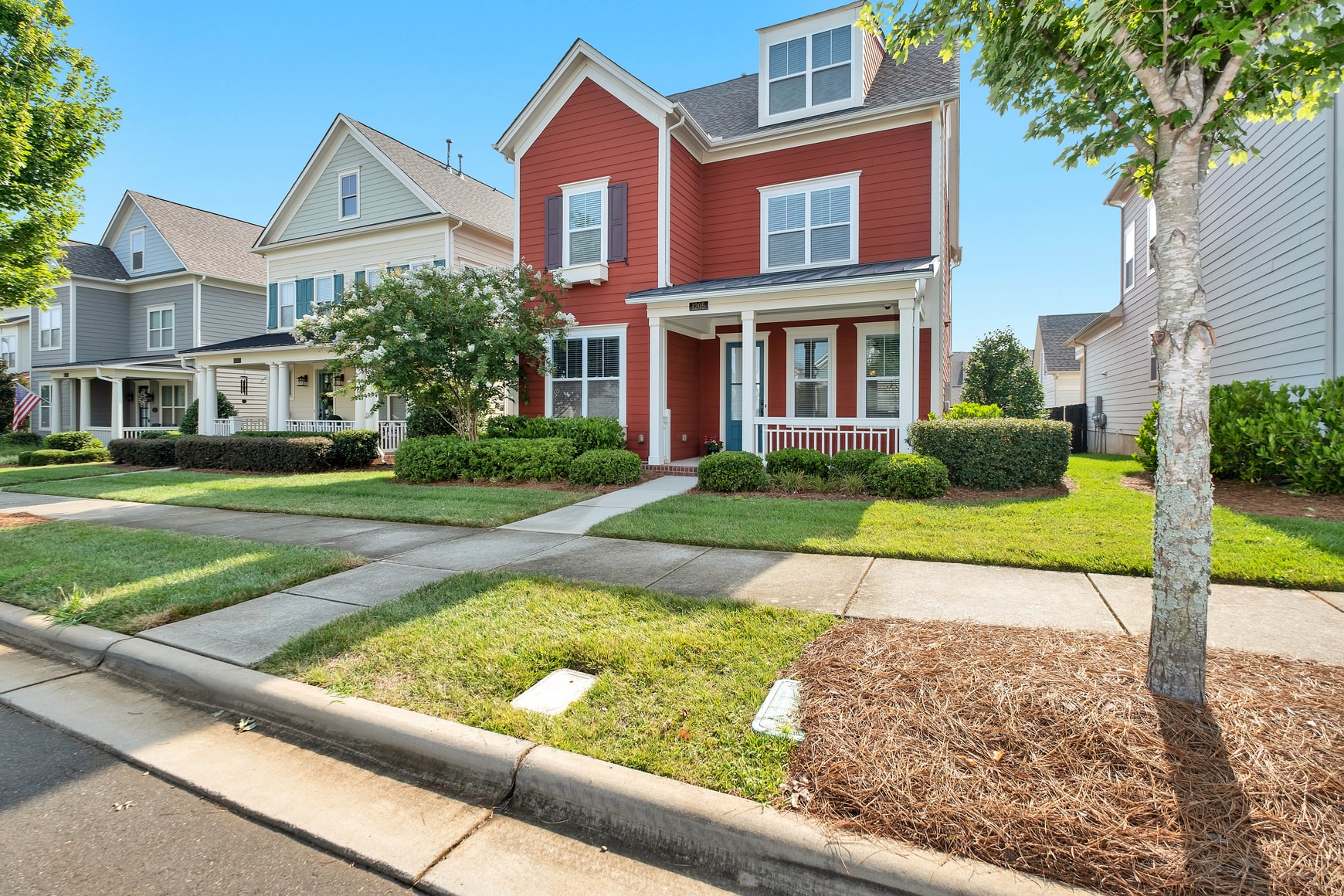
Generally, an HOA establishes rules to ensure the neighborhood looks clean and presentable – these rules often come in the form of strict guidelines regarding anything from how tall residents grass can grow to restricting the palate of paint colors residents are allowed to paint the exterior of their houses in. This limited personalization ties into the idea of following a HOAs rules, and can help with the overall property values. These rules also ensure that one or two rogue properties don’t weigh down the value of other properties due to an unpleasant exterior (single-family homes under HOAs sell for 4% more on average than similar homes outside of HOAs). However, residents also regularly cite restrictions on exterior home improvements as one of the worst aspects of living in a community association.
Pros and Cons of Homeowner's Associations

Some homeowner’s associations host social gatherings like block parties, community yard sales, cookouts, and pool parties. Once a member of the association, residents will have the opportunity to become active within the association or even be elected to serve on the HOA board, and have a chance to become better acquainted with their neighbors. HOAs also provide resources for conflict resolution between residents, whether it is over a neighbor playing music too loud, dogs barking at all hours of the night, or parking disputes. Residents can talk to their HOA about their grievances, and the association or management company will take it from there.

An issue that association members commonly face is stringent rules and penalties for running afoul of particular rules. HOAs can have meticulous guidelines, particularly in regards to home exteriors. For example, some of the infractions that could cause a fee to be issued are; a garbage can in view of the public or a neighbor, unkempt conditions like mildew or peeling paint, leaving sports equipment or bicycles out after certain hours, and having a dirty driveway or sidewalk. If residents don’t pay fines, they run the risk of the HOA placing a lien on their property or even losing their home to foreclosure. In many cases, joining a homeowner’s association is agreeing to forfeit some freedoms. In a community governed by the HOA, residents have to follow all the established rules, even if they think they are ridiculous.
Pros and Cons of Homeowner's Associations

Homeowner’s associations have a lot to offer, especially in regards to amenities and community upkeep, but they often come with expensive fees and strict stipulations. One of the best things prospective home buyers can do when looking at properties in a HOA’s declaration or master deed. The more research buyers can do when considering a HOA community, the better prepared they will be if they do become an association member. It is also of the upmost importance that potential residents review their budget, lifestyle and personal preference. While having access to a pool or golf course might be appealing, remembering to keep trash cans out of sight or their driveway immaculate might be something many people don’t want to add to their to-do list.

Advice for First Time Home Sellers

Advice for First Time Home Sellers

Selling your home can be an emotional and stressful process. You love your home and it is likely the biggest investment you have ever made. You want prospective buyers to fall in love with it as well – whether through photos, descriptions or in person. Being a first-time home seller, you have the distinct advantage of having gone through a purchase and sale transaction before, when you bought your first home. So, you know the large amount of prep work that goes into a real estate transaction, and you know how important it is to be prepared.

Identifying your motivation for selling is a crucial first step for any home seller, whether it’s needing more space, downsizing, relocating for school or employment reasons, whatever the reason, it will be an important factor in how you going to price and market your home. It’s also important to address your finances, contacting your current loan servicer to discuss your remaining mortgage balance can help you begin to understand how much equity you will have when you sell. Being informed of your current equity can help you budget for improvements you may need to make before listing your home for sale.

Advice for First Time Home Sellers

After figuring out your motivation for selling your home, and determining the equity you will be working with, sellers are often advised to begin researching the best time to sell in their area. Establishing if you are in a buyers or sellers’ market is necessary when establishing the best time to list your house on the market. Typically, the first half of May is commonly known as the best time to list a house for sale, however, COVID-19 has altered markets all over the country, particularly throughout Vermont. You will want to get the price you want, and the best first step is to be properly informed on what houses in your area have recently sold for, and educate yourself on what you can expect from the current market.

Deciding your representation strategy is a vital step when deciding how you plan on listing your house for sale. This mainly comes down to interviewing and selecting an agent to represent you. This is the most important relationship you will form while selling your house. Picking the right agent can help recognize what improvements would be best to make before listing, determining the most competitive price to list your house at, and the most effective way to market and promote your home to motivated buyers. An agent will also be instrumental in helping you navigate the closing of the sale and any last-minute surprises that come with it.

Advice for First Time Home Sellers

There are countless listings online, even right in your neighborhood. The most successfully promoted homes are ones that have been professionally photographed, contain a compelling property description and are advertised across a broad range of channels and platforms. The goal is to create as much interest from potential buyers as possible, and present your home in the best possible light. Home buyers have access to a multitude of online listings so it is important to find a way to make a great first impression, both online and in person showings. A trusted agent will explore a variety of approaches to expose buyers to your home, and ensure that you get the best possible price from interested buyers.

When negotiating an offer with a buyer, it is important to remain flexible and open, as well as maintain realistic expectations. Getting a great offer is one of the biggest hurdles in the home-selling process, and negotiating is of the upmost importance to guarantee you fulfill your initial goals. A dependable and experienced agent can be your greatest asset to make sure your best interests are represented. When you receive an offer you have a few options, accept the offer as is, make a counteroffer or reject the offer. If you receive multiple offers you may be tempted to take the highest one, however, if the buyer is relying on financing from a lender, the property has to be appraised. If the appraisal comes back lower than the offer, the buyer could pay the difference in cash, the sale price could be renegotiated or both parties could walk away from the deal.

Advice for First Time Home Sellers

Closing is the last step in the home selling process. This is when the final paperwork is signed, prepare your home for the buyer’s final walkthrough and troubleshoot any last-minute issues that might present themselves. A buyer’s home inspection can uncover all kinds of obstacles that the buyer may find too costly and chose to walk away from the deal. It is imperative to be prepared to negotiate after the inspection report is complete. Review your estimated closing costs ahead of the closing day in order to be prepared for the charges you are likely to see. If you are able to work through the inspection and the repairs, the only steps are signing the documents, handing over the keys, and celebrating successfully selling your first home!

Please feel free to call us at Geri Reilly Real Estate for a Free Consultation.

Getting Your House Ready for Sale

Research Housing Market

The first step in getting your house ready to sell is to figure out whether it is a good time to sell or not. Market conditions fluctuate regularly and houses tend to move faster during certain times of the year. Realtor.com is a great place to analyze market trends and decide the ideal time to list your house for sale. Sellers can also utilize Realtor.com to find some local, comparable homes that have recently sold to use as a benchmark of the market conditions, as well as come up with an estimate of the value of your home. It can cost anywhere from 9%-10% of the sale price to sell a home, so the proceeds from the sale need to cover those expenses if the seller hopes to turn a profit.  A well-respected realtor should be able to assist with everything from finding local comparables to determining a reasonable listing price.

Home Inspection

Inspections aren’t a required step when selling your home, but it can be a great investment when getting a house ready to sell, and avoid wasting time and money on unnecessary repairs. A pre-sale home inspection also can give potential buyers information and intimate knowledge of the property. Even if the house looks to be in great condition online and in person, buyers will want to know what is working as it should as well as anything that will need to be fixed. Getting the inspection first and completing all of the repairs at the same time will drastically reduce the amount of time and money sellers typically will spend on renovations and repairs. Going over the inspection report with a realtor will help sellers make the distinction between which items are worth fixing and which are not. Getting a home inspection helps potential buyers feel more confident when submitting an offer and, in turn decreases the chances of them backing out.

Curb Appeal

The curb appeal of a property is the first impression a seller has on a potential buyer. When a buyer gets out of their car, they will have an immediate positive or negative reaction. Great curb appeal is one of the best things homeowners can do to increase their home’s marketability, it can also be incredibly affordable. Keeping the lawn mowed, hedges trimmed and gutters cleaned is a great start to creating an inviting and orderly front lawn. Another cost affective way sellers can spruce up their exterior is to install flower beds and mulch to create a more “finished look”. As the exterior of the house becomes more curated, sellers often feel compelled to power wash their driveway, walkway and outside of their house, to get rid of any pollen, mold or dirt that has built up over time. Repainting the front door is also a popular method sellers use to upgrade their curb appeal, repainting a drab front door can decidedly alter the impression the outside of the house will make on prospective buyers.

Declutter

Decluttering and organizing a space will go a long way in appealing to potential buyers. When a home is clutter-free, buyers are able to focus on the actual home instead of on the superfluous junk, knick-knacks and overflowing closets.  Bu byers love seeing space and storage, the more, the better. Concentrating on one room/area at a time can help to get through an entire home systematically. Removing half of the stuff out of closets then neatly organizing what is left will give the impression of more storage space. After each room is completed, overflow should be boxed up and labeled, if the house has a garage, its perfectly okay to stack the boxes in there until the property is sold, however storing boxes in a basement can obstruct the buyers view of a potential selling feature. If sellers run out of room, renting a storage unit can be instrumental in creating enough space and removing unwanted or cumbersome items from the house, and creating a clean, spacious, uncluttered home.

Deep Clean

An inarguable step when preparing a property for sale is carrying out a deep clean of the entire house. Ideally being completed just before staging, the goal should be to eliminate any doubt from a prospective buyers mind. Every surface, toilet, and floor will need to be scrubbed and wiped down. Rugs and curtains need to be cleaned, and every nook, cranny, and corner needs to be entirely devoid of dust bunnies. Hiring a professional cleaner can save time and stress, as well as improve the chances that nothing goes unnoticed. Buyers will be walking through with a fresh set of eyes, and will notice things that are often overlooked by the seller. Many sellers elect to repaint the interior of their house, painting over orange and green walls with neutral colors like whites, light greys, and light beiges. This will make the home appear brighter, bigger, and more welcoming, conveying a blank slate to buyers. Repainting almost always makes a great impression, and first impressions are everything when preparing a home for sale.

Staging

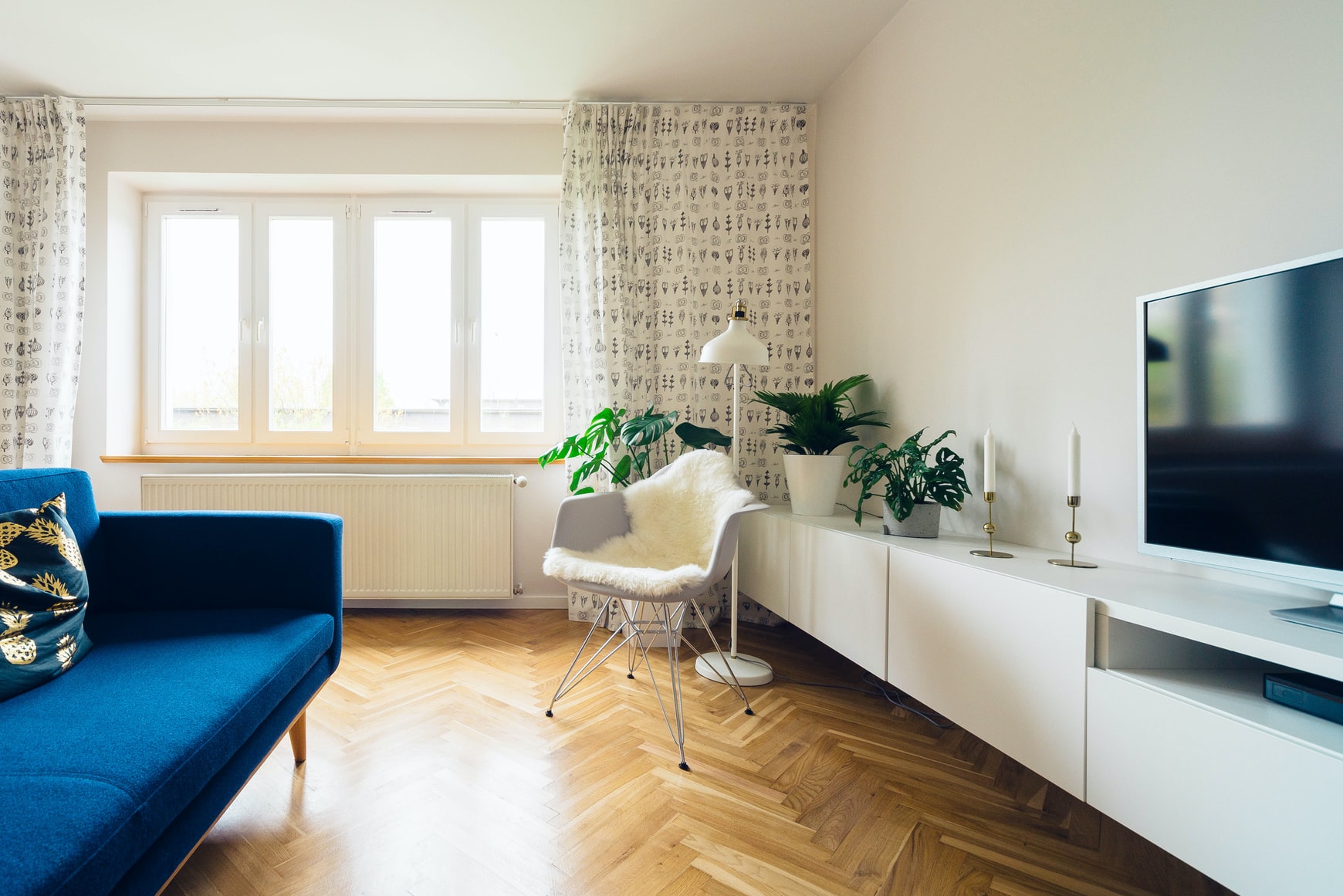
Staging a home can really help to sell faster and for more money. The kitchen should always come first. The benefits of remodeling your kitchen are endless, and sellers will more than likely get 85% of their money back. The most inexpensive kitchen updates include painting and new cabinet hardware. When staging it is important to strike a balance between a staged home and a lived in home; over styling can make the house look inauthentic and overly formal. Arranging furniture to best showcase the floor plan and maximize space is crucial when setting up a property for showings. A great way to cut down on clutter is by putting away personal photos and picture frames scattered throughout the home. Making the staging manageable and low maintenance is also key when beginning to show a house, the house needs to be ready to show at all times.