
Geri Reilly Real Estate Logo

Blog :: 2026

Mud Season Maintenance Tips for Vermont Homeowners

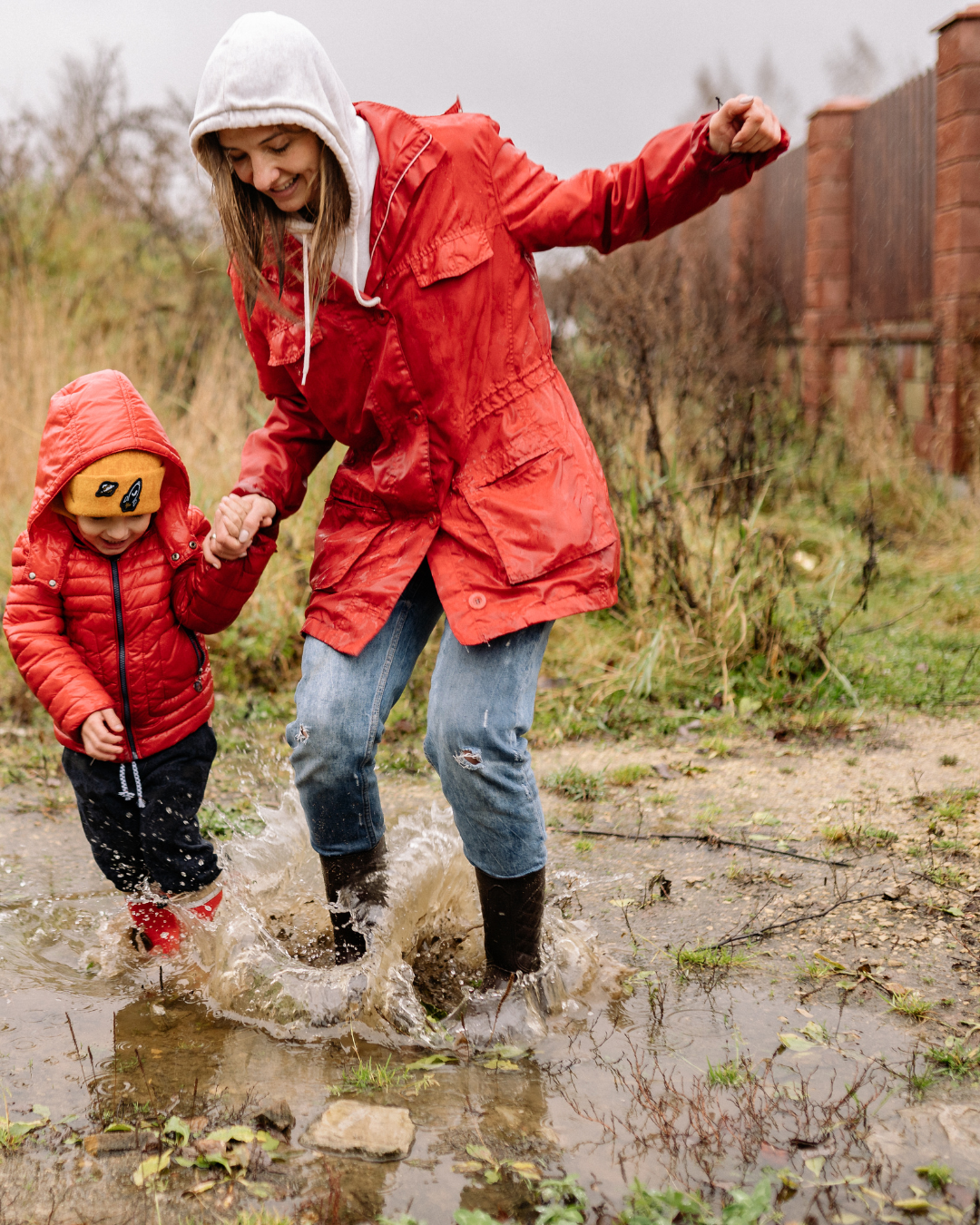
Mud season is a familiar part of life in Vermont. As winter fades and temperatures begin to rise, melting snow and spring rains turn the ground soft and saturated. While many people look forward to longer days and the first signs of spring, mud season can create challenges for homeowners. The combination of snowmelt, shifting soil, and freeze-thaw cycles can reveal damage from winter and create new maintenance issues around your property.

Taking a little time to check key areas of your home during mud season can prevent small problems from turning into expensive repairs later in the year. Here are some important maintenance tips Vermont homeowners should keep in mind as the seasons change.

Check Your Gutters and Downspouts

After a long winter, gutters and downspouts often collect debris such as leaves, twigs, and leftover winter sand. When snow begins to melt and spring rain arrives, clogged gutters can cause water to overflow and pool around your home’s foundation.

Start by inspecting and cleaning your gutters so water can flow freely. Make sure downspouts are directing water away from your home, ideally at least four to six feet from the foundation. Proper drainage helps prevent basement leaks and protects your home’s structure.

Monitor Your Basement for Moisture

Mud season is one of the most common times for basement moisture problems. As snow melts and the ground becomes saturated, water pressure around your foundation increases. Even homes that are typically dry may experience dampness during this time of year.

Walk through your basement and look for signs of water intrusion such as damp walls, small puddles, or musty odors. If you have a sump pump, test it to make sure it is functioning properly before heavy spring rains arrive. Catching water issues early can help prevent mold, mildew, and structural damage.

Inspect Your Roof for Winter Damage

Vermont winters can be tough on roofs. Snow accumulation, ice dams, and strong winter storms may loosen shingles or damage flashing around chimneys and vents.

Mud season is a good time to inspect your roof from the ground using binoculars or to schedule a professional inspection. Look for missing shingles, bent flashing, or other signs of wear. Addressing roof issues early helps prevent leaks during spring rainstorms.

Evaluate Your Driveway

Freeze-thaw cycles throughout the winter can cause cracks, potholes, and surface damage to driveways. Asphalt and gravel driveways are especially vulnerable as the ground shifts during temperature changes.

Walk your driveway and look for new cracks or areas where the surface has deteriorated. Filling small cracks or leveling gravel areas early can prevent further damage and keep your driveway in better condition.

Protect Your Lawn

When the ground is soft and saturated, lawns are particularly vulnerable to damage. Heavy foot traffic or vehicles driving across wet grass can create deep ruts and harm grass roots. These marks can last throughout the entire growing season.

If possible, try to limit activity on your lawn until it has had time to dry out and firm up. Staying off the grass during the wettest weeks of mud season can help your lawn recover more quickly once warmer weather arrives.

Clear Outdoor Drains

Many Vermont homes have outdoor drainage systems designed to direct water away from the property. These drains can become clogged during winter due to sand, leaves, and other debris.

Take time to locate and clear any outdoor drains near your driveway, yard, or foundation. Ensuring these systems are working properly helps reduce standing water and prevents flooding around your home.

Check Walkways, Steps, and Decks

Ice and snow can cause shifting or loosening of outdoor structures. Walkways, stone steps, decks, and railings may become uneven or unstable after months of freezing temperatures.

Inspect these areas carefully and look for loose boards, wobbly railings, or shifted pavers. Making small repairs now improves safety and prevents larger structural problems later.

Clean Up Winter Sand and Salt

Vermont roads and driveways are often treated with sand and salt during the winter months. When the snow melts, these materials can accumulate around driveways, sidewalks, and lawns.

Sweeping up excess sand and salt helps improve the appearance of your property and prevents damage to plants and grass. It also reduces the amount of debris that could clog drains or wash into nearby waterways.

Look for Signs of Pest Activity

As temperatures warm up, rodents and insects begin searching for places to nest. Mud season is a good time to inspect the exterior of your home for small gaps or openings where pests could enter.

Check areas around foundations, vents, siding, and utility lines. Sealing small openings can prevent unwanted visitors from making their way inside your home.

Take a Walk Around Your Property

One of the simplest and most effective mud season maintenance habits is to walk around your property and observe how everything is holding up after winter. Look for areas where water pools, soil has shifted, or landscaping needs attention.

These early observations help you identify drainage problems or areas that may require grading or landscaping improvements once the ground dries out.

Why Mud Season Maintenance Matters

Mud season can feel like an inconvenient transition between winter and spring, but it provides an important opportunity for homeowners to evaluate their property. Winter weather can hide potential issues, and the thaw often reveals areas that need attention.

By taking a proactive approach, Vermont homeowners can protect their investment, prevent costly repairs, and ensure their home is ready for the warmer months ahead.

With a little preparation and awareness, mud season becomes less of a challenge and more of a chance to give your home the care it needs after a long Vermont winter.
    Comments

    1. No comments. Be the first to comment.

    What Buyers and Sellers Should Know Before the Spring Market Heats Up

    Many buyers and sellers assume the real estate market is still currently in hibernation. Snowbanks line driveways, temperatures remain brisk, and spring can feel far away. But in reality, February is one of the most strategic months of the year for anyone considering a move. The spring market may get the headlines, but preparation starts now.

    If you are thinking about buying or selling in 2026, here is what you should know before the market begins to heat up.

    The Spring Market Starts Earlier Than You Think

    In Vermont, serious buyers do not wait for the snow to melt. By late February and early March, motivated buyers are already actively touring homes. Many are hoping to secure a property before competition intensifies in April and May.

    For sellers, this means preparation cannot wait until the first warm weekend. Listing photography, staging consultations, minor repairs, and pricing strategy all take time. Getting started in February allows you to enter the market confidently instead of scrambling when activity spikes.

    Inventory Typically Increases and So Does Competition

    Spring traditionally brings more listings. Homeowners who waited through the winter often list once conditions improve. While increased inventory gives buyers more choices, it also means sellers face more competition.

    For sellers, February is an opportunity to evaluate your home objectively. What updates will make it stand out? Are there deferred maintenance items to address? Even simple improvements like fresh paint, lighting updates, or decluttering can make a significant impact when buyers begin comparing multiple properties.

    For buyers, understanding that competition will likely increase is key. Waiting until peak season may mean bidding wars, tighter timelines, and fewer negotiation opportunities.

    Pricing Strategy Matters More in a Shifting Market

    The Vermont housing market has been evolving toward a more balanced environment. Homes may not be selling as quickly as they did during the height of the frenzy, and buyers are often more price-sensitive.

    Sellers who price accurately from the start are seeing stronger results than those who “test the market.” February is an ideal time to review comparable sales, analyze neighborhood trends, and develop a data-driven pricing strategy.

    Buyers, on the other hand, should begin conversations with lenders now. Understanding your purchasing power, and how current mortgage rates affect your budget, gives you a competitive advantage when the right home appears.

    Winter Listings Offer Unique Opportunities

    Homes listed in February often represent serious sellers. People who list during winter typically have a clear reason for moving, whether it is relocation, downsizing, or life changes. That motivation can create meaningful opportunities for buyers.

    Additionally, viewing homes in winter reveals how a property performs in Vermont’s toughest conditions. Buyers can assess heating efficiency, insulation, snow management, and overall durability, factors that may be less visible in summer months.

    For sellers, winter showings highlight warmth and comfort. A well-maintained, cozy home can leave a lasting impression during colder months.

    Timing Your Move Requires Planning

    Families hoping to move before the next school year, professionals relocating for work, or homeowners planning new construction all need to think several months ahead. February is the time to align timelines.

    Sellers should consider:

    • Where will you move next?
    • Do you need a rent-back option?
    • When do you need to close?


      Buyers should consider:

      • How quickly can you act once you find the right home?
      • Are you prepared for inspections and negotiations?
      • Have you identified your must-haves versus nice-to-haves?

      Clear planning now reduces stress later.

      Preparing Emotionally and Logistically

      Real estate decisions are not purely financial. They are personal. February provides breathing room to reflect on goals without the urgency that often accompanies peak market months.

      For sellers, this might mean beginning the decluttering process early, organizing important documents, and emotionally preparing for the transition.

      For buyers, it may involve narrowing preferred neighborhoods, researching commute times, and evaluating lifestyle priorities.

      The Bottom Line

      Buyers can position themselves ahead of rising competition, and sellers can prepare thoughtfully before inventory surges.

      Whether you are planning to buy, sell, or simply explore your options, taking action now puts you in control when the spring market gains momentum. In Vermont, preparation is everything, and February is where smart moves begin.


        Comments

        1. No comments. Be the first to comment.

        Winter Weekend Getaways Near Burlington: Hidden Gems to Explore in February

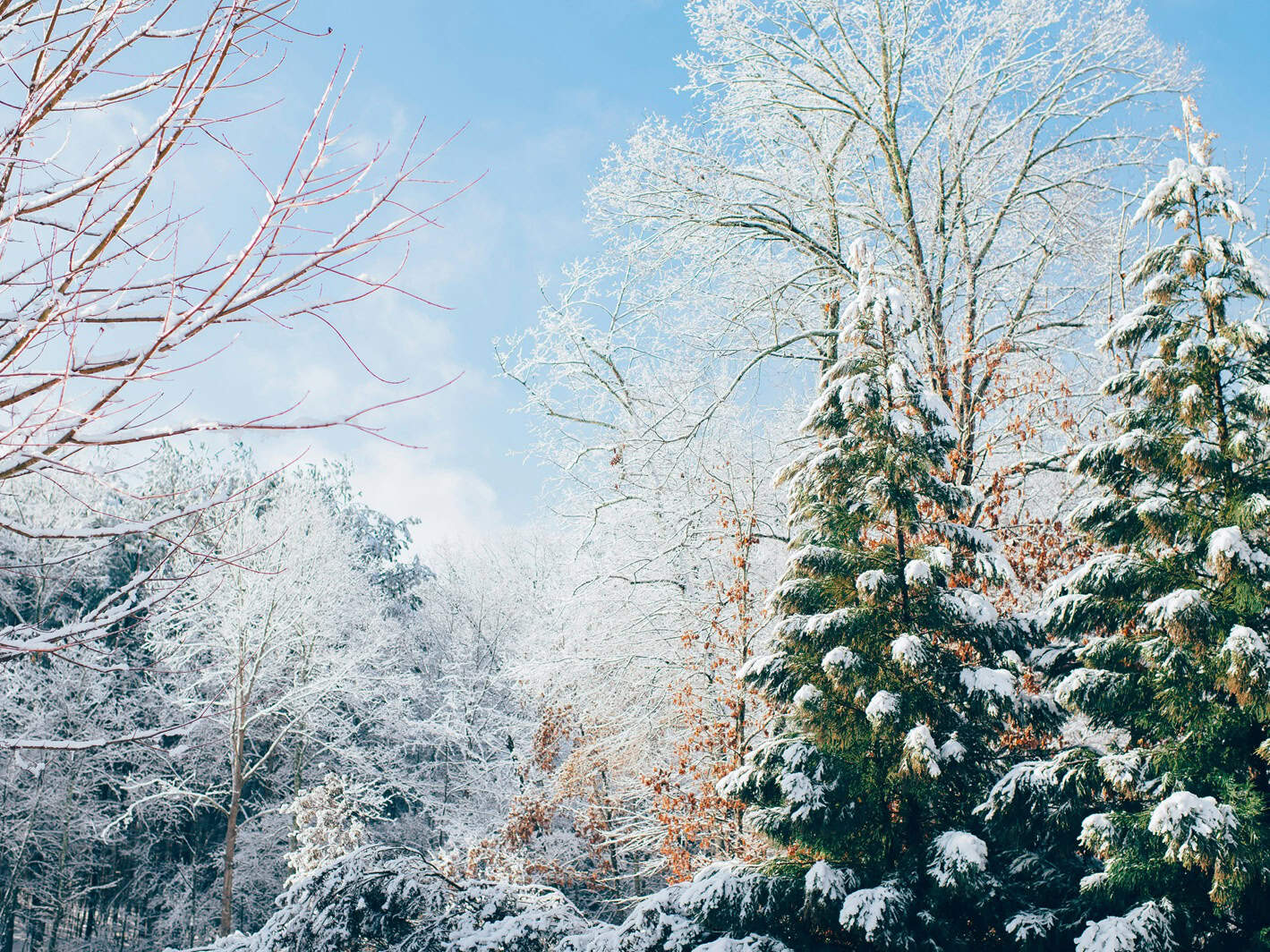
        February in Vermont is often described as long, snowy, and cold, but it is also one of the most beautiful times of year. Snow-covered mountains, frozen lakes, and quiet village streets create postcard-worthy scenery in every direction. For Burlington residents or visitors, winter is the perfect time to explore nearby destinations without peak-season crowds.

        If you are looking for a refreshing change of scenery, here are several winter weekend getaway ideas near Burlington that showcase the best of Vermont in February.

        Stowe: Classic Vermont Winter Charm

        Just under an hour from Burlington, Stowe offers the quintessential Vermont winter experience. Known for its mountain views and charming village, Stowe blends outdoor adventure with cozy relaxation.

        Spend the day skiing or snowboarding at Stowe Mountain Resort, or explore cross-country ski trails and snowshoeing paths. Afterward, warm up with a hot drink at a local café or enjoy dinner at one of the area’s well-known restaurants.

        Even if skiing is not your priority, simply strolling through the village surrounded by snow-dusted buildings makes for a peaceful winter escape.

        Mad River Valley: Scenic and Low-Key

        If you prefer a quieter, less commercial feel, the Mad River Valley is an excellent option. Home to Sugarbush Resort and Mad River Glen, the area is known for its authentic Vermont character and scenic beauty.

        In February, the valley feels serene. Outdoor enthusiasts can enjoy downhill skiing, Nordic skiing, or winter hiking. For a slower pace, explore local artisan shops, farm-to-table dining spots, or simply relax in a cozy inn with mountain views.

        Middlebury: Historic and Walkable

        Approximately 45 minutes south of Burlington, Middlebury offers a charming downtown area and access to beautiful winter landscapes.

        The town’s historic architecture, independent bookstores, and inviting restaurants make it ideal for a laid-back weekend. Nearby trails and parks provide opportunities for snowshoeing and winter walks. Middlebury combines culture and nature in a way that feels distinctly Vermont.

        Lake Champlain Adventures

        Weather permitting, Lake Champlain can offer unique winter experiences. While ice conditions vary each year, locals often enjoy scenic walks along the waterfront, winter photography, and breathtaking sunsets over frozen waters.

        Even without venturing onto the ice, the Burlington waterfront and surrounding areas provide peaceful winter views. Pair a lakeside stroll with a stop at a local coffee shop to create a simple yet memorable outing.

        Smugglers’ Notch: Family-Friendly Fun

        Smugglers’ Notch, located less than an hour from Burlington, is well known for its family-oriented winter activities. Skiing, snowboarding, and tubing make it a popular destination for those traveling with children.

        The area also offers snowshoe tours and winter events throughout the season. Its welcoming atmosphere makes it an easy choice for a stress-free weekend getaway.

        Embracing the Slower Pace

        One of the best parts of a February getaway in Vermont is the slower rhythm. Without the heavy traffic of summer foliage season or peak holiday travel, winter weekends feel calm and restorative.

        Local inns and boutique accommodations often provide cozy common areas with fireplaces, hearty breakfasts, and welcoming hospitality. Taking time to unplug, read a book, or simply enjoy the quiet snowfall can be just as rejuvenating as a packed itinerary.

        Supporting Local Communities

        Winter travel within Vermont also supports local businesses during a quieter season. Restaurants, shops, and lodging establishments appreciate winter visitors. Choosing a nearby getaway strengthens community connections while giving you something to look forward to during the colder months.

        Why Winter Getaways Matter

        February can sometimes feel long, especially with shorter daylight hours. Planning a weekend trip, even one just 20 minutes away, breaks up the season and provides renewed energy.

        Exploring nearby towns may even inspire future real estate goals. Many visitors fall in love with Vermont’s smaller communities after spending time there in winter.

        Final Thoughts

        Winter in Vermont is something to experience. From mountain adventures to quiet village escapes, the Burlington area offers countless opportunities for memorable February weekends.

        Instead of waiting for spring, embrace the beauty of the season. A short drive, a cozy inn, and a snow-covered landscape might be exactly what you need to make the most of winter in Vermont.

          Comments

          1. No comments. Be the first to comment.

          7-9 of 10 Posts