Geri Reilly Real Estate Logo

House & Home

Seven Ways to Cozy up Your Home

For many of us, our home is our personal getaway from the hustle and bustle of everyday life. After a long day at work or running around with the kids, our home is the place to unwind and feel a sense of serenity. Have you ever wondered how you can maximize your home's style and comfort so that you can feel like you're returning to a personal haven when you step foot through the door? Keep reading to learn about seven easy steps to make your home a personalized cozy paradise for you, family and friends.

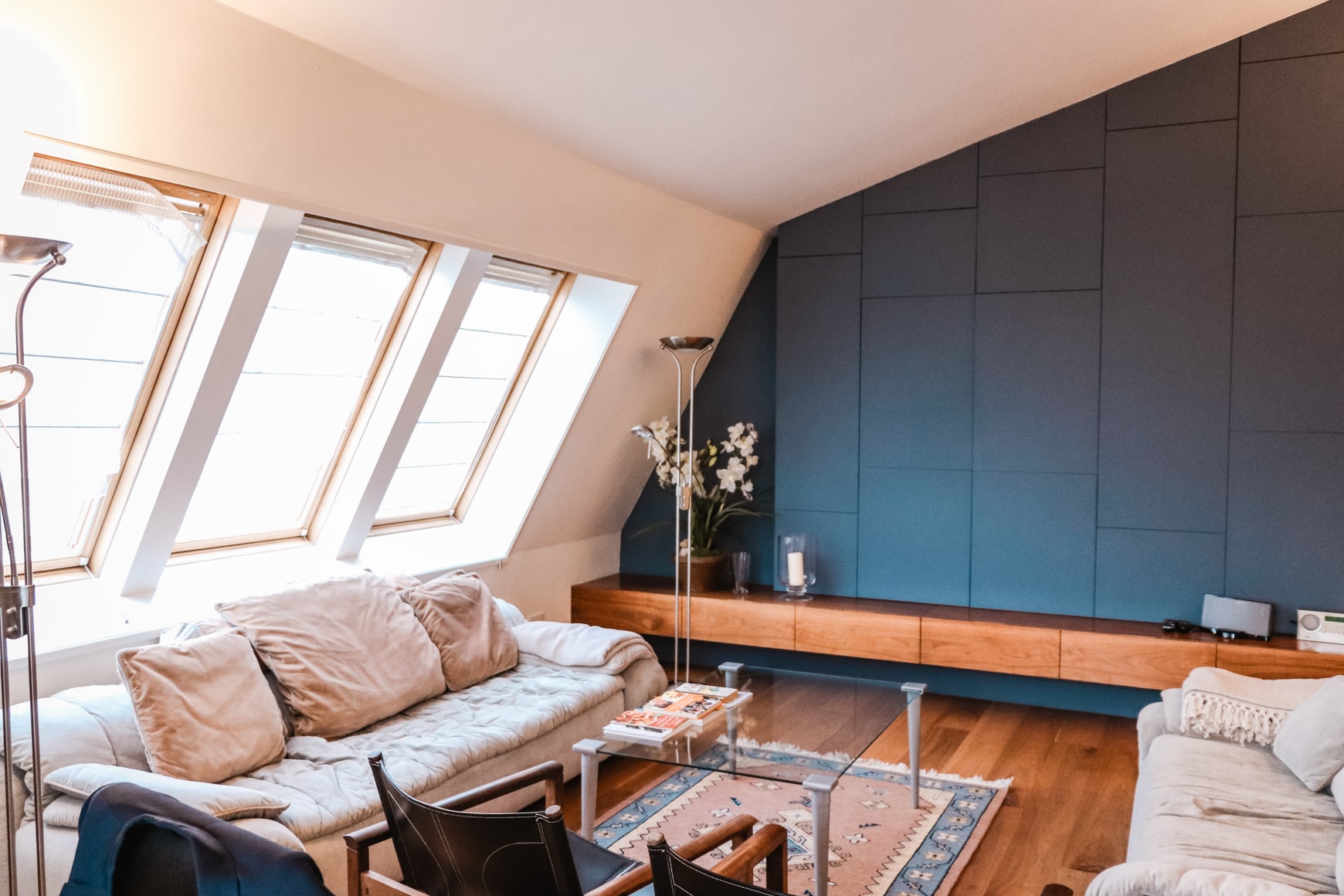
Cozy living room

1) Don’t Forget The Candles 

Buying a scented candle and personalizing it to the time of year is the easiest and cheapest way to make your home a cozy atmosphere. Change the scent depending on the season, something nice and floral in the Spring, a uplifting fruity smell for the Summer, pumpkin spice in the Fall, and you can't go wrong with pine or cinnamon in the Winter months. Place them all around your home to add a calming scent to each room and create a sense of warmth within your home. Candles are the perfect way to achieve the right amount of ambient, and romantic lighting around your home.

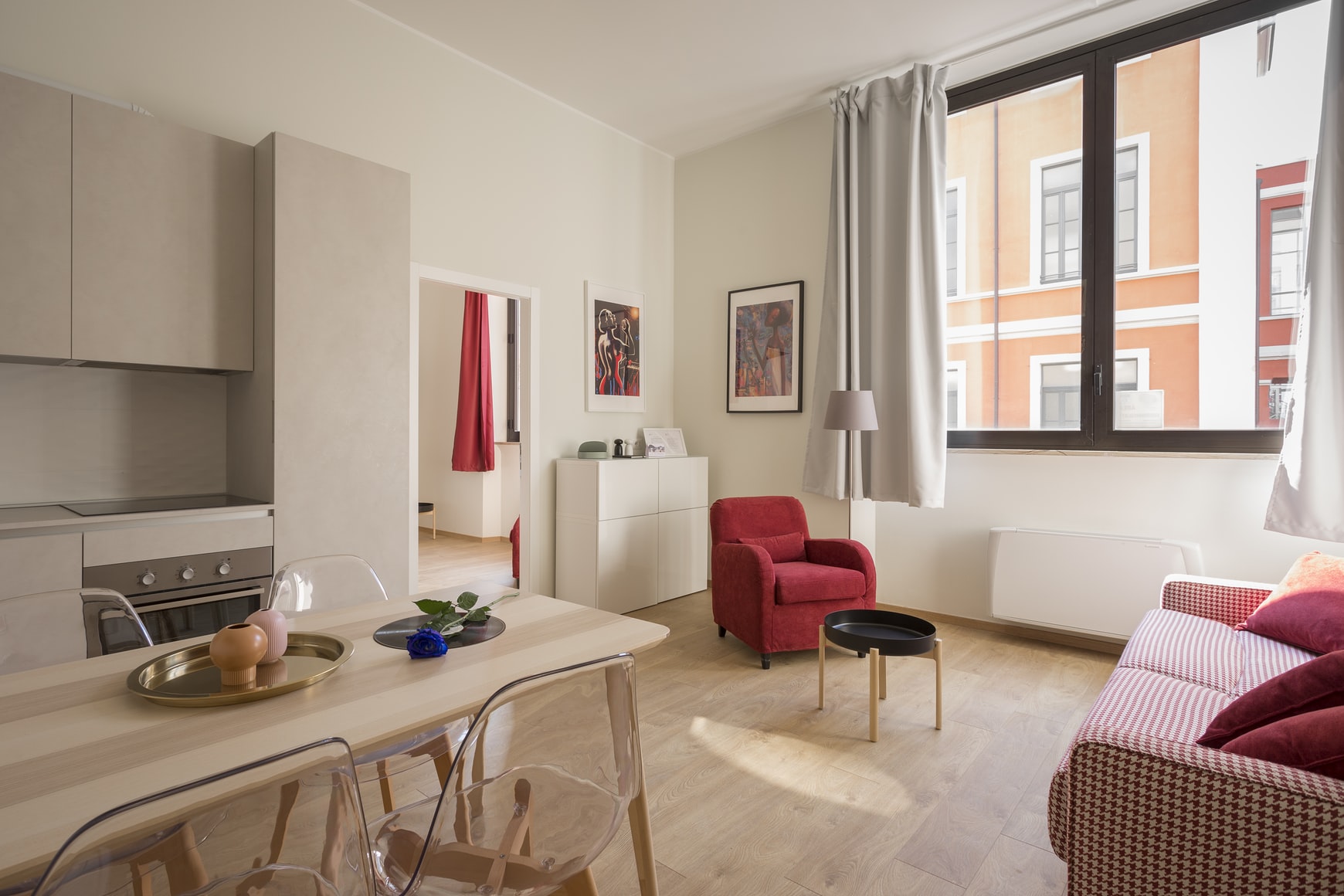
Candle for living room

2) Throw Blankets are Your Best Friend 

Nothing is more comforting and relaxing than snuggling up with your favorite throw blanket on the couch. If you don’t have any, go out and find a few nice quality, fluffy or furry  large blankets and throw them along the top edge or across the armrest of your living room couch. When shopping, keep in mind what type of look you want the blanket to achieve. Do you want it to blend with the existing color pallet of the room, or do you want it to act as a big and bold pop of color? This adds texture to your space along with creating a welcoming and relaxing atmosphere for both you and your guests.  Not to mention they will keep you warm and extra cozy on those cold Vermont winter nights. 

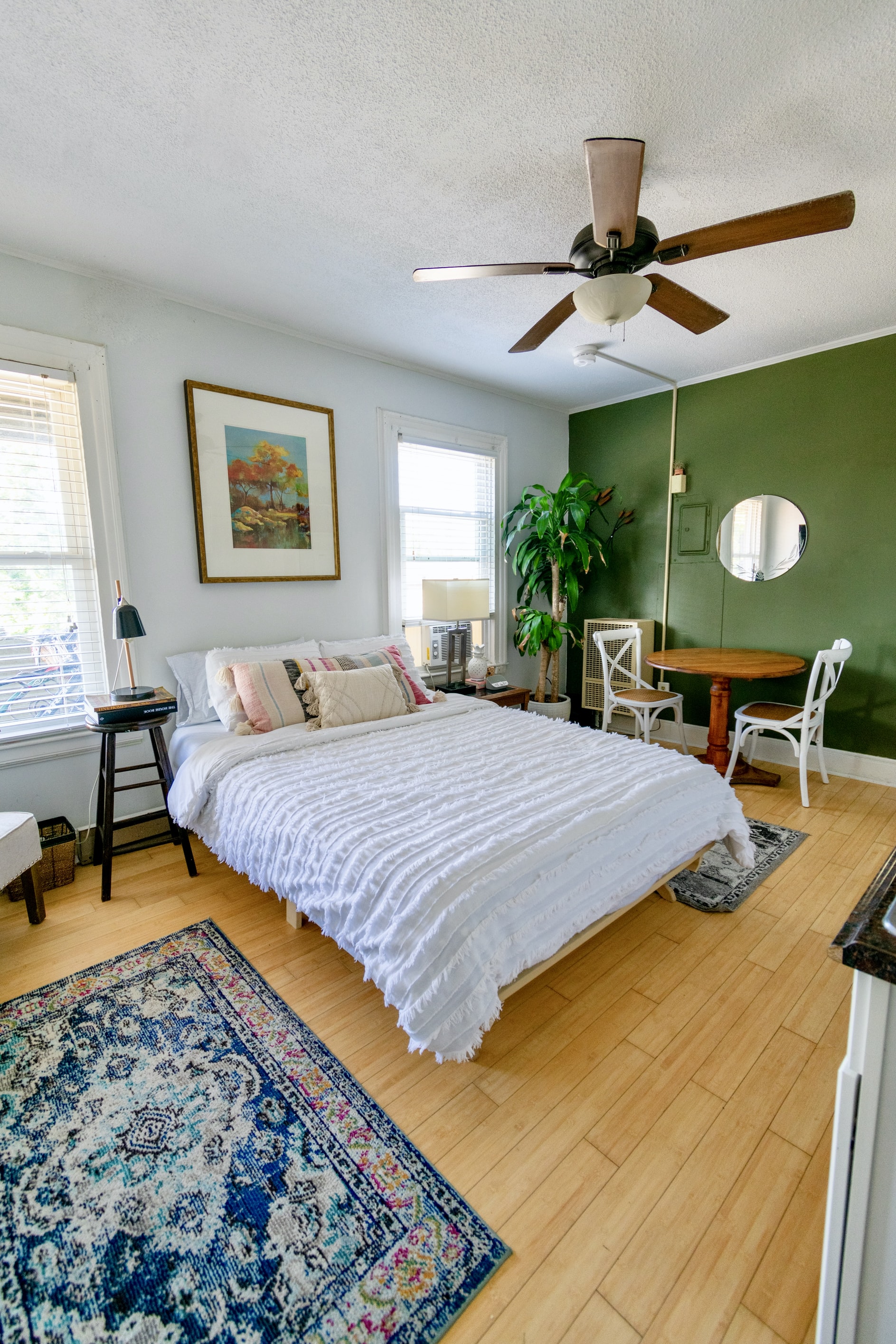
Throw blankets for a cozy atmosphere

3) Personalize Your Fireplace Mantel

Decorating and personalizing your mantel is a way to further make your zen living space represent you! Sometimes people can really over think it, but it's very simple to make a stylish and eye pleasing mantel that has the perfect balance. There is an easy algorithm in order to achieve this. 1) Start with a large painting, unique mirror or sculpture to act as a center anchor point. 2) Add something organic like a plant or flowers in order to add a touch of tranquility. 3) Stay with a consistent color pallet that is already present in the room. 4) Add a grouping of like trinkets and small art pieces at the corners, these can be crystals, vases, books or other smaller objects that you are attracted to.

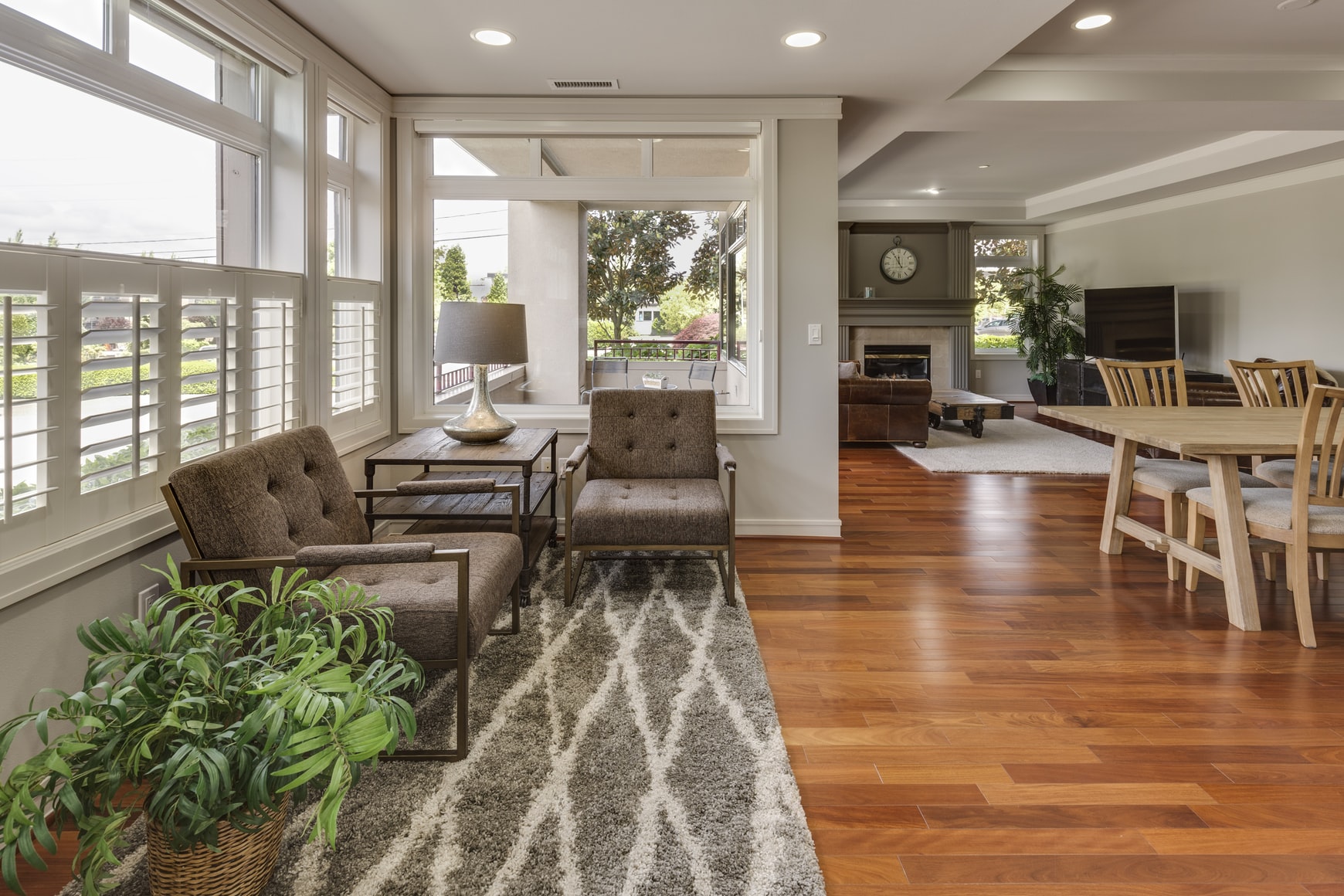
How to decorate your fireplace mantel

4) Pillows on Pillows on Pillows 

Adding throw pillows is a fun and easy way to add comfort, charm, texture and a little bit of seasonal style to your living room! Have some fun with it! Purchase pillows for each staple holiday to make things a little bit more festive, look for interesting patterns that seem to attract you, or pops of color depending on the season, get some faux fur pillows to add texture and a little extra softness to a regular couch when you lay into it. Throw pillows are the ultimate way to sink back into the couch, to feel like you're being hugged by cozy goodness.

Throw pillows for a cozy home

5) Set The Mood With The Proper Lighting

Setting a mood is all about lighting. When you want your home to be welcoming and upbeat it's best to have bright and constant lighting within your home, but when you are trying to create a different, more relaxed and comfortable atmosphere, warm lighting is your best friend. Your candles can help create this look. Place them around your home or even in your fireplace if you can’t build a fire. Twinkle lights are also a good opinion for a unique and equally eye catching and pleasing look. A warmer light can also calm the mind down, and it’s a good idea to set your light to a warmer tone when you're trying to relax or leading up to the hours before bed.

The proper lighting for a cozy living room 

6) Bring The Green of The Outdoors Inside 

Plants are a way to add some of Mother Earth's undeniable beauty into your home. There are so many different plants to choose from depending on what you're looking for. Do you have a shelf in a room, get a plant that hangs down over the lower levels of the shelf, hang them from the window, place them on windowsills or get a large fern to locate in a corner. You can also add some of your personality to your plants or even flowers by placing them in a unique vase that adds a little character to your room. If you're a person that likes the outdoors this is a perfect trick for you! 

Plants

7) Sprinkle Your Personally in With Art

Try not to have blank walls when designing your home. This creates a cold feeling, and unwelcoming space for both you and your guests. Pick 3-10 large prints, canvases, or even select and print some of your favorite family photos on a focal wall within your home. Try to stay within the same theme and color pallet so there isn't any clashing, make sure these pieces of art speak to you and represent yourself. These works of art will be some of the most important aspects that you place in your home, so make sure you love the theme you choose. 

Add painting for personalization

Pros and Cons of Homeowner's Associations

Pros and Cons of Homeowner's Associations

Homeowner Associations are essentially a governing structure for a planned community. Often representing a development of single-family homes, condominiums, or townhouses. Similar to a landlord or property manager, an HOA operates as an entity that maintains the community by taking care of certain features in exchange for a monthly or annual fee. In 2018, ¼ of the U.S. population lived under some type of community association, spread among over 347,000 associations nationwide. Homeowners Associations govern 33% of homes in the Northeast. Although every association is fundamentally different, living in an HOA community comes with many benefits as well as many conditions and stipulations that residents can find relatively burdensome. HOAs can be efficient and professional or can mismanage the community and misspend money. The simple fact is that there are advantages and disadvantages that come with every homeowner association.

Pros and Cons of Homeowner's Associations

HOA costs vary, one cost frequently included in the fees they collect are utilities. The association often take responsibility for basic water and gas as well as city services such as sewer, trash, and recycling, effectively cutting down on the number of bills their residents have to pay each month. The most obvious draw of some HOAs fees is that they include amenities like swimming pools, tennis courts, golf courses, playgrounds and gyms in their communities – Which are entirely maintained and serviced by the community association. Although the scope of amenities will add to the overall association fees, on average, each dollar and dues buys $1.19 in benefits.

Association Fees are mandatory and can get expensive, depending on the community and what the fees include. On average, associations incur $2,800 in fees, annually. Most monthly assessments are about $100 to $300, in addition to maintenance and upkeep, these fees pay for employees who work for the HOA, as well as money for a reserve fund, typically for unexpected expenses and emergencies. HOA fees are an additional cost on top of a resident’s mortgage, property tax, and homeowner insurance, and members are required to pay, even if they don’t use all of the amenities. HOA fees can affect a prospective homeowner’s budget to buy a house in an HOA  community and can ultimately lessen their buying power.

Pros and Cons of Homeowner's Associations

One of the most common benefits provided by HOAs is that they handle a majority of the exterior upkeep in the community, ensuring residents don’t have to worry about mowing their lawn or doing landscaping. They also can take responsibility for trash pickup, snow removal, as well as cleaning and painting exteriors. Common spaces also usually fall under the umbrella of the Homeowners Association; repairing roads, roofs, walls and building components (particularly in a condominium complex.) Needless to say, the more services offered by the association, the higher the fee, services can even include heating and air conditioning systems, electrical systems, plumbing, and security systems can be handled exclusively by the HOA.

Generally, an HOA establishes rules to ensure the neighborhood looks clean and presentable – these rules often come in the form of strict guidelines regarding anything from how tall residents grass can grow to restricting the palate of paint colors residents are allowed to paint the exterior of their houses in. This limited personalization ties into the idea of following a HOAs rules, and can help with the overall property values. These rules also ensure that one or two rogue properties don’t weigh down the value of other properties due to an unpleasant exterior (single-family homes under HOAs sell for 4% more on average than similar homes outside of HOAs). However, residents also regularly cite restrictions on exterior home improvements as one of the worst aspects of living in a community association.

Pros and Cons of Homeowner's Associations

Some homeowner’s associations host social gatherings like block parties, community yard sales, cookouts, and pool parties. Once a member of the association, residents will have the opportunity to become active within the association or even be elected to serve on the HOA board, and have a chance to become better acquainted with their neighbors. HOAs also provide resources for conflict resolution between residents, whether it is over a neighbor playing music too loud, dogs barking at all hours of the night, or parking disputes. Residents can talk to their HOA about their grievances, and the association or management company will take it from there.

An issue that association members commonly face is stringent rules and penalties for running afoul of particular rules. HOAs can have meticulous guidelines, particularly in regards to home exteriors. For example, some of the infractions that could cause a fee to be issued are; a garbage can in view of the public or a neighbor, unkempt conditions like mildew or peeling paint, leaving sports equipment or bicycles out after certain hours, and having a dirty driveway or sidewalk. If residents don’t pay fines, they run the risk of the HOA placing a lien on their property or even losing their home to foreclosure. In many cases, joining a homeowner’s association is agreeing to forfeit some freedoms. In a community governed by the HOA, residents have to follow all the established rules, even if they think they are ridiculous.

Pros and Cons of Homeowner's Associations

Homeowner’s associations have a lot to offer, especially in regards to amenities and community upkeep, but they often come with expensive fees and strict stipulations. One of the best things prospective home buyers can do when looking at properties in a HOA’s declaration or master deed. The more research buyers can do when considering a HOA community, the better prepared they will be if they do become an association member. It is also of the upmost importance that potential residents review their budget, lifestyle and personal preference. While having access to a pool or golf course might be appealing, remembering to keep trash cans out of sight or their driveway immaculate might be something many people don’t want to add to their to-do list.

Buying a Rental Property

 Buying an Investment Property

                Investment property is real estate purchased for the purpose of generating income. The intention is for the property to be rented out or used as a seasonal vacation home for other travelers, and in turn, create a reliable source of income. Buying your first rental property is an exciting prospect, however, it can also be immensely confusing and intimidating. Maintenance costs and stringent financing requirements are just a few of the challenges you might encounter while pursuing your first investment property.

Buying an Investment Property

                When first starting out, it is advised to work with a real estate agent, particularly an agent who understands the investment side of real estate. The first step will be to begin analyzing potential properties; It’s often advised to find your first deal locally, or between an hour and two hours away from your current area. Work to find an area with a steady stream of renters, and figure out where people want to live. Where are property prices higher or lower? What are units typically rented out for? Is crime a consistent issue in the area? These are all vital questions that you will need to ask yourself before deciding on an area to invest in. Consulting with local real estate agents, property managers, and other local investors can be incredibly valuable when considering these propositions.

                Begin to analyze potential properties, as many as you possibly can, in order to familiarize yourself and get comfortable with deal analysis. Try to research a few properties everyday until you find something you think is right for you. In a competitive market you will need to be fast and smart in the offers you propose. You will get offers rejected, consistently, investing in real estate is a numbers game, and you can expect to get 1 out of every 10 or even every 20 offers accepted. The goal is to make sure you’re always making offers on enough properties. It is recommended to aim to buy an investment property for 10% to 20% below the market. This will allow you to increase your net worth and financial security if you ever need to sell the property in a pinch.

Buying an Investment Property

                Investment properties require a much higher level of financial stability than a typical family home would, especially if you plan to rent out to prospective tenants. You will need to be prepared to cover the initial home purchase costs like the down payment, inspection and closing costs as well as the ongoing maintenance and repairs that frequently accompany investment properties. When you do finally get a property under contract, you’ll be expected to pay earnest money, which is typically 1% of the purchase price. Earnest money essentially serves to ensure that you will not walk away and waste everyone else’s time and effort. This fee is refundable only if you buy the property as promised or back out due to a legitimist reason, like a disastrous inspection, uncovering unforeseen detriments.

                Once you do close on a property, and have effectively budgeted more than you think you need for regular and emergency home repairs, it’s essential to estimate your annual rental income. Research similar units to find an average monthly rent. Commonly, what your charging for rent should amount to at least 1% of the total purchase price. You also need to calculate your net operating income – This equates to your annual rental estimate minus your annual operating expenses. Combine the cost of the everything you will pay while maintaining your property every year; like insurance, property taxes, maintenance and homeowner association fees. Do not include your mortgage or interest in your net operating income. Divide the net operating income by the total value of your mortgage to find your total return on investment (ROI).

Buying a Investment Property

                When it comes to owning an investment property your budget involves more than how large of a mortgage you can afford. In addition to monthly mortgage payments, you will also have to budget for the ongoing costs of owning and renting out the property – utilities, maintenance, upkeep, and taxes will all weight against how much you realistically expect to collect in rent. Maintenance will likely be one of the most significant costs to consider when purchasing an investment property. You can choose to hire a property management company or handle things rent collection, repairs, and snow removal on your own. New investment property owners can expect to spend 1% of their property’s value each year on maintenance, but it varies depending on factors like the number of units, when the property was built and the conditions of major systems like plumbing and electric.

                In addition to expenditures like taxes and homeowner insurance, you will also have to budget for marketing your property, background checks on prospective tenants, and utilities. You want to make sure that your property is adequately marketed to the right audience of renters, and be prepared to perform background checks to ensure that you are getting the highest quality of candidates. As far as utilities go, you will have a few options; you can either include them as part of the monthly rent, charge your tenant each month, or ask the tenant to sign up in their name and pay the utility companies themselves. It is also important for investment property owners to be familiar with rental laws that vary state-to-state, as well as be prepared for having to deal with delinquent tenants.

Buying an Investment Property

                Purchasing an investment property is a big step for any investor, and more than likely will be one of the largest assets you can buy. With a little bit of time and effort, and a lot of research and due diligence, it can be a great way to generate passive income. The cornerstone of successfully buying and owning an investment property is to be prepared and knowledgeable of all the challenges and obstacles you may encounter along the way. Investing in real estate is certainly not for the faint of heart, however when done right it can be one of the most fruitful and rewarding financial decisions you ever made.

13-15 of 214 Posts